


Some of my earliest childhood memories are not of holidays or birthdays, but of evenings spent watching my parents welcome travelers from Italy, France, Spain, the United Kingdom, Germany, Australia, and many other countries into our home. To me, it simply felt normal that our dining table was always filled with new faces, different languages, laughter, and stories from places I had only seen on maps.
I was still in school then, and almost every day our dining table would be set for guests who had spent the past days exploring India with us. My mother would prepare the same meal every single time — a simple homemade thali with rice, fresh rotis, dal, a seasonal vegetable curry, and a sweet dish to finish. Looking back, I realize that the menu never changed because that was never the point. The meal was about making someone feel at home.
Before they left, every guest received a hand block-printed bedsheet from Rajasthan as a small souvenir. Even today, whenever I see those beautiful patterns, they remind me of those evenings.
This was long before social media became a part of everyday life. Instead of posting photographs online, many of our guests would send us printed pictures through the mail after returning home. Some would send photos of the bedsheet spread across their bedroom, while others would write heartfelt letters about their journey. As a child, I never fully understood why these simple gestures meant so much to the travelers who received them. Today, I do.
Where every guest became family
What amazed them most was not the food or the gifts — it was the conversations around the dinner table.
For three hours, people who had started as clients became friends. They spoke about where they came from, what life was like back home, the places they had visited in India, the people they had met, and the little moments that had stayed with them. My parents listened just as eagerly as they shared stories of our own home and culture.
More than once, I remember seeing guests leave with tears in their eyes. They would often say that they had never experienced such warmth from people they had only recently met. Some even shared that they had not felt this welcomed in years, sometimes not even within their own families. They were surprised that someone would invite them into their home without expecting anything in return — no payment, no obligation, just genuine hospitality.
It was then, without realizing it, that I learned one of the most beautiful things about India.
Here, hospitality is not a service. It is a tradition.
That belief has guided my parents as they built this company, one step at a time. They began with just one computer, a single driver, and an unwavering commitment to treating every traveler as a guest rather than a customer. Over the years, that small beginning has grown into a trusted travel company with a dedicated team and a fleet of vehicles, but the values have never changed.
We have always believed that people should not come to India only to admire its monuments. The forts, palaces, temples, and landscapes are extraordinary, but they are only part of the story. The real India is found in the people you meet, the conversations you have over a cup of chai, the local guide who proudly shares stories of his hometown, the shopkeeper who insists you taste a sweet before buying it, or the family that invites you to celebrate a festival with them.
There is a beautiful Indian saying, "Atithi Devo Bhava" — "The guest is akin to God." It is more than just a phrase; it is a way of life.
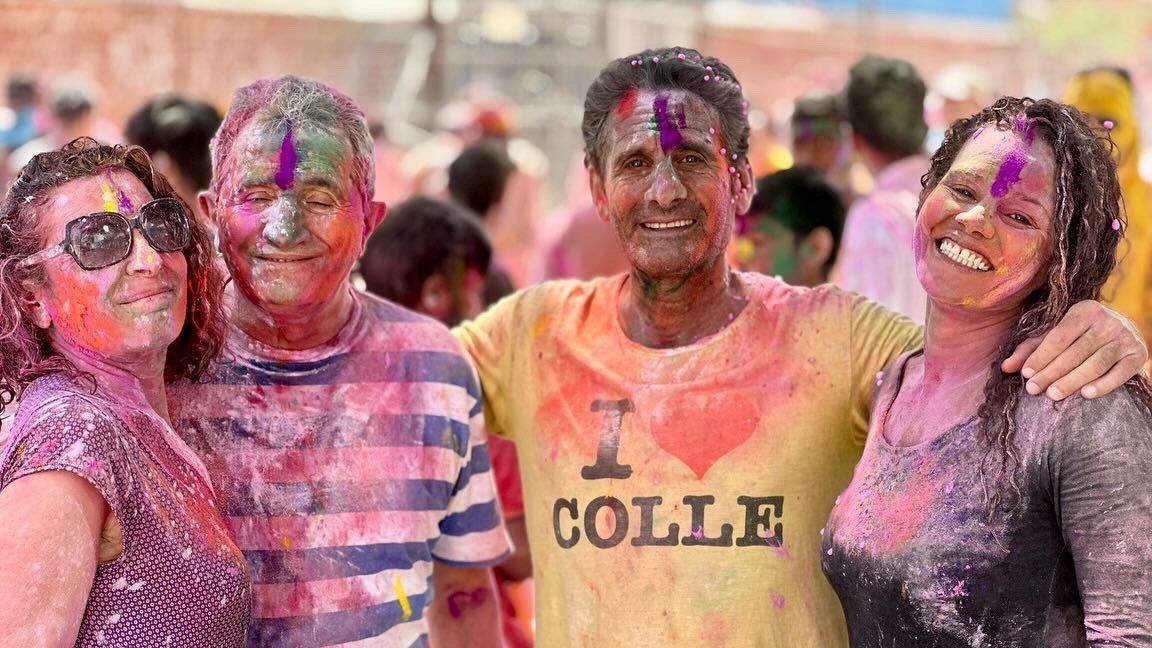
You may find yourself being offered tea while browsing a small shop, stopping for photographs with curious locals at famous monuments, joining a wedding procession simply because someone invited you, or celebrating Holi in the colourful streets of Mandawa with families you had never met before. These are often the moments that travelers remember long after the photographs have been put away.
Rajasthan, where the journey begins
For many visitors, Rajasthan is where this journey begins.
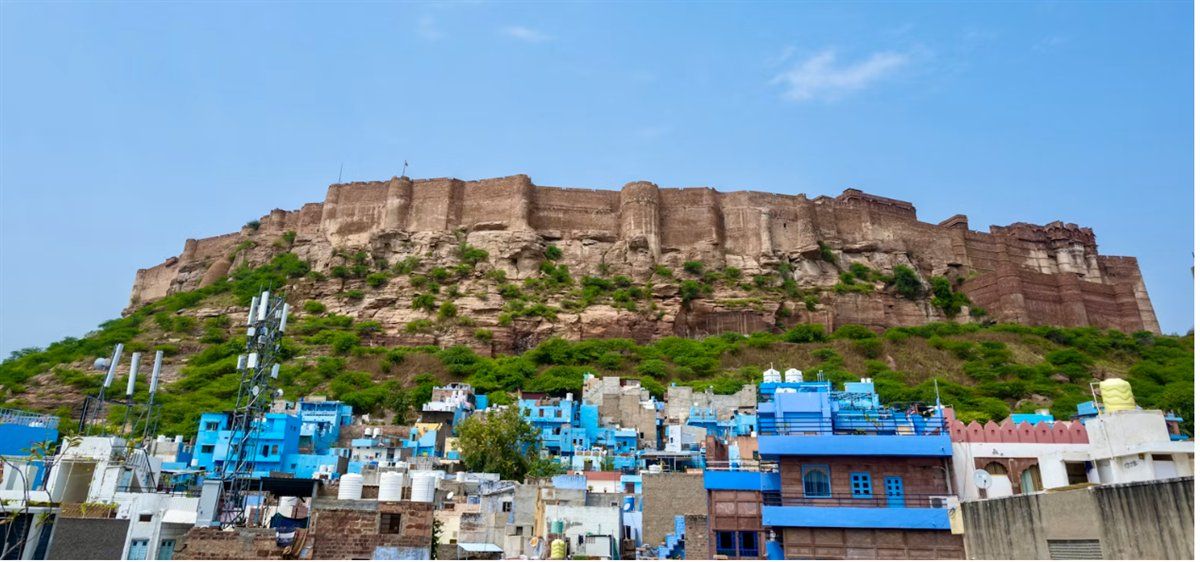
It is a land of magnificent forts, royal palaces, colourful markets, peaceful desert villages, and cities that each have their own unique character. You can watch the sunrise over Jaipur's Amber Fort, wander through the blue streets of Jodhpur, admire the golden sandstone of Jaisalmer, or enjoy an evening beneath a sky full of stars in the Thar Desert. But beyond its architecture, Rajasthan is remembered for its music, folk traditions, artisans, warm smiles, and the generosity of its people.
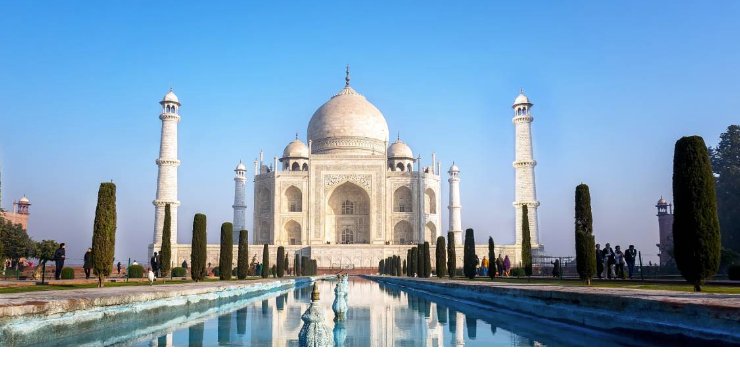
From Rajasthan, many travelers continue along India's famous Golden Triangle, connecting Delhi, Agra, and Jaipur. Delhi offers a fascinating blend of old and new, where centuries-old monuments stand alongside lively markets and modern neighbourhoods. In Agra, the Taj Mahal remains one of the world's greatest symbols of love, but the quiet gardens, local cafés, and stories shared by passionate guides often leave just as lasting an impression.
One country, many worlds
Yet India is far too diverse to be explored through one route alone.
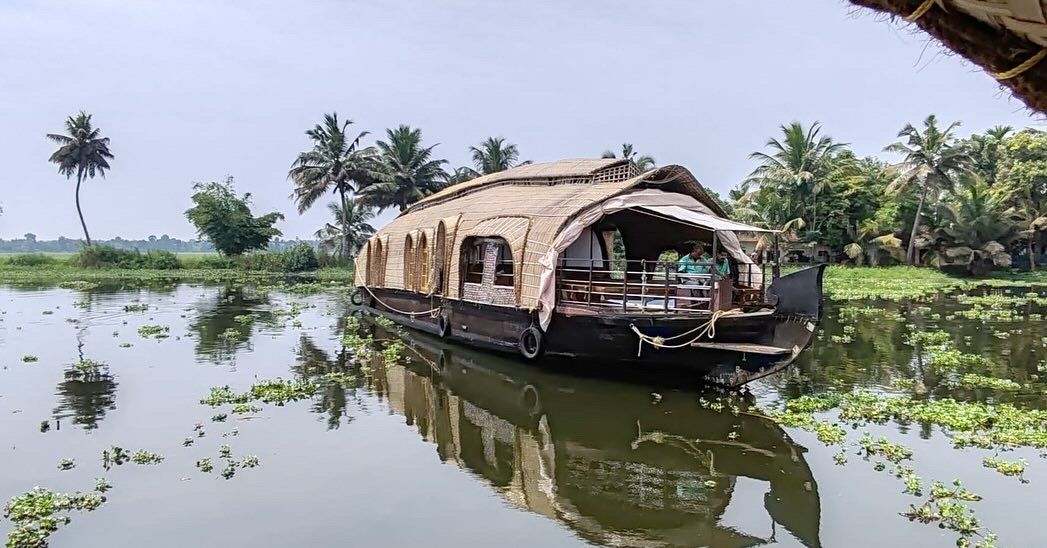
Head west, and Goa welcomes you with relaxed beaches, Portuguese heritage, and vibrant sunsets. Travel south to Kerala, where peaceful backwaters, lush tea plantations, and traditional houseboats invite you to slow down. Journey north to Ladakh and the Himalayas, where dramatic mountain landscapes, ancient monasteries, and crystal-clear skies create an entirely different world. Venture into Gujarat to witness the surreal white expanse of the Rann of Kutch, or visit the remarkable Karni Mata Temple in Rajasthan, often known as the Rat Temple, which offers a fascinating glimpse into India's unique spiritual traditions.
Every region has its own language, cuisine, customs, and rhythm of life. That is what makes travelling across India so rewarding. No two journeys ever feel the same.
And then, there is the food
From freshly baked rotis enjoyed in a family kitchen to fragrant biryanis, regional curries, street-side chaat, crispy dosas, creamy lassis, and sweets prepared for centuries-old festivals, every meal tells a story of the place it comes from. Festivals add another layer to that experience, whether it is the colours of Holi, the lights of Diwali, the camel fair at Pushkar, or local celebrations that visitors often discover by chance during their travels.
Come for the monuments — stay for the conversations
When people ask us what they should see in India, our answer is always the same.
Come for the monuments, certainly. Stand before the Taj Mahal. Explore ancient forts. Watch the sun set over the desert and the mountains.
But stay for the conversations. For the laughter shared over dinner. For the unexpected invitations, the kindness of strangers, the cup of chai offered with a smile, and the memories that cannot be planned.
Because in the end, India is not simply a place you visit.
It is a collection of stories, and once it becomes part of yours, it has a remarkable way of calling you back.